

By Harper Hernandez
The Power of Everyday Voice
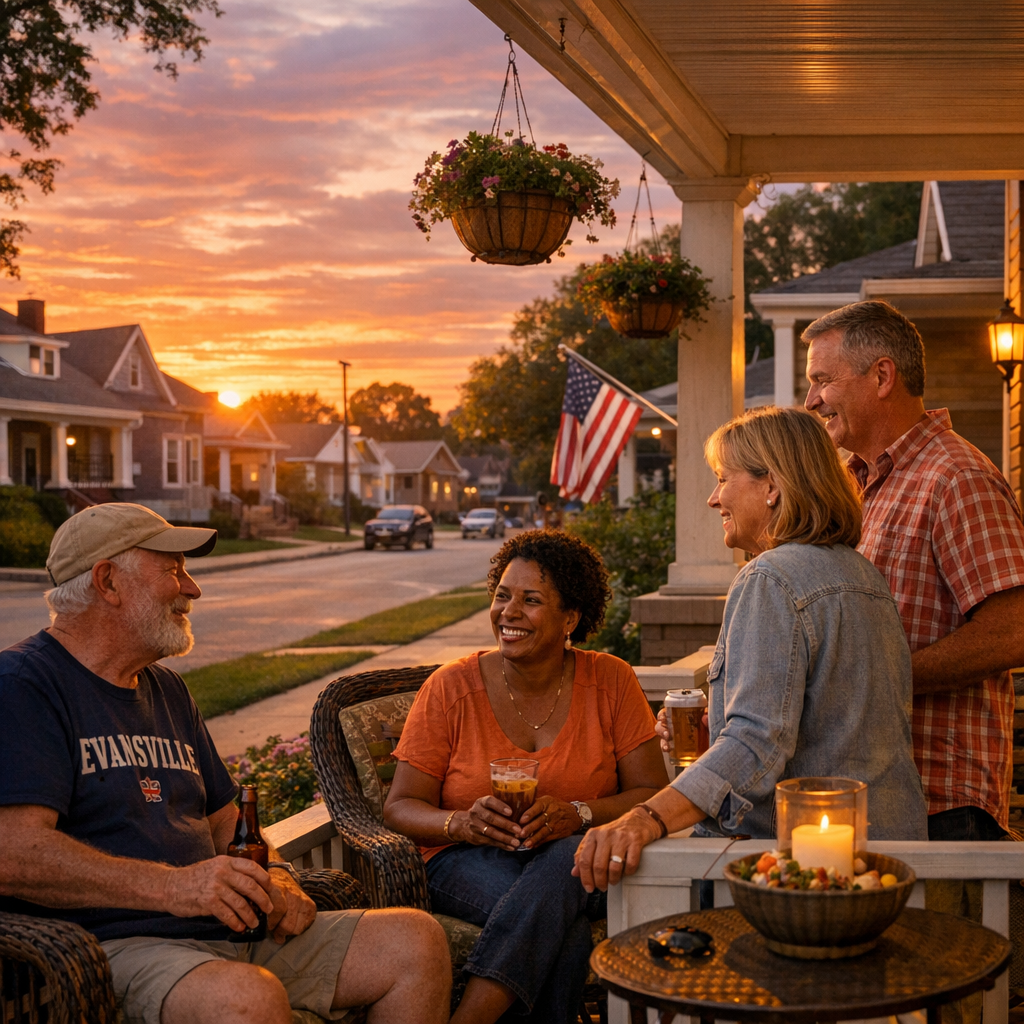
We often think of “community voice” in big moments—public forum, city budget hearings, big infrastructure projects. But in Evansville, I’ve seen that the quieter stories matter just as much. A neighbor who mows a shared alleyway. A group of parents organizing after-school rides. Someone offering a listening ear as kids gather on porch steps. These small, everyday pieces of participation build the foundation for trust in our neighborhoods.
Stories That Tell Us Who We Are
Neighborhoods like Jacobsville, Iroquois Gardens, Hoosier–Cullen, and Dexter have their own rhythms, their own histories. Each street speaks—through architecture, through the gardens folks tend, through the annual block parties, the local corner stores that remember your name. Knowing that heritage helps newer residents feel part of something bigger, and it can guide us in preserving what makes our city distinctive.
Preservation Isn’t Just About Old Buildings
Preserving identity means honoring memories and routines, not just bricks and beams. For example, oral history projects at the Evansville Vanderburgh Public Library are helping capture voices from long-time residents and former community leaders so stories don’t just sit on hard drives—they live in public memory. These narratives shine light on how our community arrived here and what we value. (Source: Evansville Oral History Archives).
Listening Changes Outcomes
When systems actually listen, we see action. The VOICE initiative in Evansville is aimed at doing just that—bringing people together in facilitated sessions where experiences and hopes are shared. These conversations feed into planning work around housing, public spaces, transportation, and public safety. (Source: Regional VOICE Online Sessions Report). When residents’ concerns shape policy, the resulting change feels earned, not imposed.
How We All Can Strengthen Community Voices
- Share your own story. Tell neighbors what you love, what you’ve seen change, and what you still hope the neighborhood could be. Real voices move people.
- Attend the small gatherings. Block associations, neighborhood walks, even porch conversations—they matter enormously.
- Support local memory work. Projects like oral histories or neighborhood archives help preserve our shared past.
- Push for transparency and action. When surveys or planning processes include community voices, ask: how will these inputs show up in decisions?
Looking Forward Together
Evansville is stronger when everyone’s voice helps form our future. When newcomers, long-time residents, youth, neighbors with different backgrounds—all share what matters, and we listen. Our city’s character comes alive not only in historic districts or landmark architecture but in what people say they want their everyday life to feel like. Time, investment, and caring connections build more than homes—they build community. And that’s what lasts.